
Coated Garage Floors Built for Seasonal Use
Flake Flooring in Cohoes for garages that face winter salt and year-round vehicle traffic
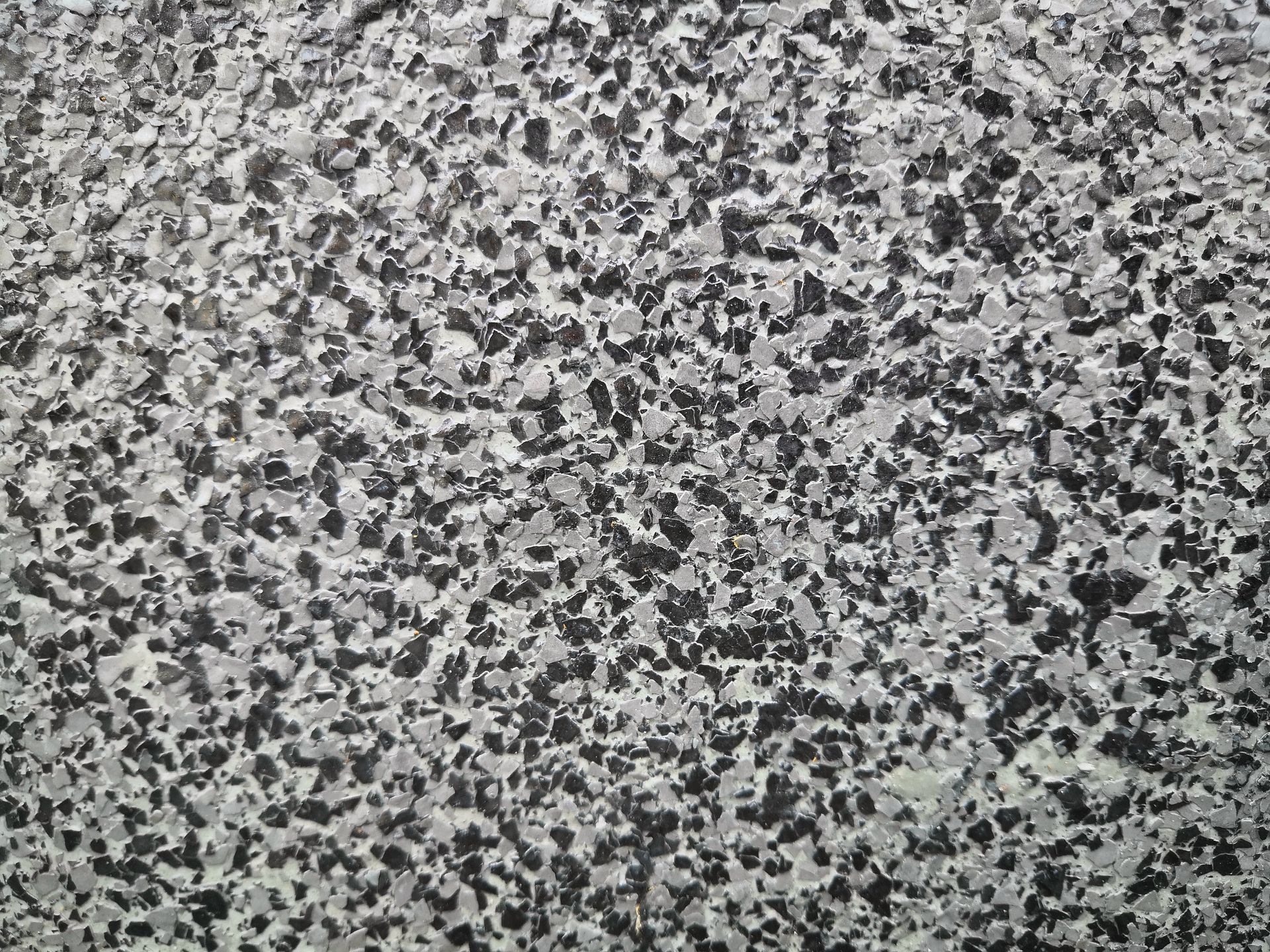
Eastcoast Epoxy applies flake flooring systems to residential concrete surfaces where plain gray slabs no longer match how homeowners use their garages or basement floors. The layered application process bonds decorative vinyl flakes into an epoxy base coat, creating a textured finish that covers surface imperfections and gives tired concrete a finished appearance. Properties across Cohoes and the Capital Region see heavy seasonal use in garage spaces, and flake coatings address both the visual wear and the practical need for a surface that handles frequent vehicle movement, tracked-in moisture, and temperature swings between winter storage and summer project work.
The system starts with surface preparation to remove contaminants and open the concrete pore structure, followed by a pigmented epoxy base coat while still wet. Vinyl flakes are broadcast across the surface to the density you choose—light scatter for subtle texture or full broadcast for complete coverage—then locked in place with a clear topcoat once cured. The owner holds epoxy certification, which informs decisions about surface profile requirements, cure times in different temperature conditions, and adhesion standards that affect how long the coating remains bonded to the slab.
Schedule a property evaluation to review your garage floor condition and discuss flake density options for your space.
Once the topcoat cures, your garage floor transitions from porous concrete that absorbs oil drips and tire marks into a sealed surface where spills sit on top until wiped away. The vinyl flakes create visual depth that hides minor concrete discoloration or patching, and the textured finish reduces the flat, industrial look of untreated slabs. You'll notice the floor reflects overhead lighting differently and no longer produces concrete dust when swept.
The topcoat layer determines how the floor responds to dragged equipment, dropped tools, and tire scuffing—thicker urethane topcoats resist abrasion better than thinner options, though they also extend project timelines due to longer cure periods. Flake systems don't eliminate every visible mark from heavy use, but they shift maintenance from scrubbing stained concrete to occasional mopping of a sealed surface. Homeowners also gain control over color schemes that complement storage systems or workshop layouts instead of working around whatever concrete tone was poured years ago.
Surface preparation quality and existing slab condition affect adhesion more than coating thickness alone. If your concrete has existing coatings, delaminated sections, or moisture issues rising through the slab, those problems must be addressed before any flake system goes down. Concrete less than 30 days old or slabs without proper vapor barriers can trap moisture that eventually lifts coatings regardless of the product used, which is why inspection happens before any estimate commits to a timeline.
Questions Homeowners Ask Before Coating Garage Floors
Residents throughout the Capital Region typically want to understand how flake coatings perform under local conditions and what the installation process requires from start to finish.
How does winter salt affect flake flooring once cars track it inside?
Salt doesn't damage cured epoxy or vinyl flakes, but it does leave a white residue on the surface that requires rinsing or mopping after snow season—the coating itself remains bonded and functional, while untreated concrete would absorb salt and eventually spall as freeze-thaw cycles repeat.
What preparation work happens before the epoxy goes down?
Surface prep involves grinding or shot blasting the concrete to remove any existing sealers, open the pore structure for mechanical bonding, and create the profile depth needed for the epoxy to grip—skipping this step or using only acid etching often leads to early coating failure when the bond isn't strong enough to resist tire torque or thermal movement.
How long before you can park vehicles on the finished floor?
Foot traffic is typically safe within 24 hours depending on temperature and humidity, but full vehicle weight and tire torque require at least 72 hours of cure time to avoid scuffing or imprinting the topcoat before it reaches full hardness.
Can flake coatings go over concrete that already has stains or cracks?
Stains don't prevent adhesion as long as surface preparation removes any oils or contaminants, but cracks wider than hairline gaps will telegraph through the coating and may continue to move with seasonal slab expansion, so they're often routed and filled with flexible sealant before the epoxy system is applied.
What flake density makes sense for a two-car garage used for vehicle storage and occasional projects?
Full broadcast coverage hides the most concrete imperfections and creates the most uniform appearance, while partial broadcast at 50 to 70 percent allows some base coat color to show through and costs less in material, so the choice depends on whether you want the concrete completely hidden or prefer a blended look with visible color underneath.
Eastcoast Epoxy provides free estimates that include surface inspection, discussion of flake color and density combinations, and project timelines based on your garage's current condition. Request an estimate to review what your concrete needs before any coating is applied.