
Clean Uniform Finishes Without Decorative Flakes
Flat Color Flooring in Cohoes for homeowners who prefer single-tone coatings over textured or patterned concrete finishes
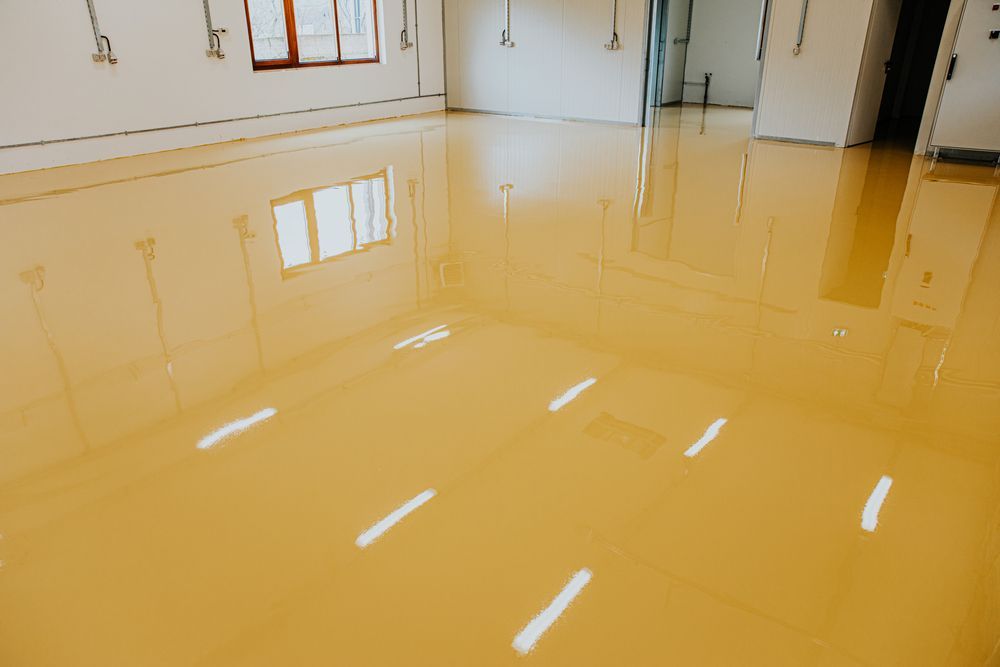
Not every garage, basement, or utility space needs decorative flakes, metallic shimmer, or aggregate texture—sometimes the goal is simply to transform raw concrete into a finished surface that looks intentional and cleans easily. Flat color flooring applies pigmented epoxy in a single uniform tone, sealing the concrete and providing a clean backdrop that doesn't compete with storage systems, workshop equipment, or adjacent living areas. Eastcoast Epoxy installs these systems throughout Cohoes and the Capital Region for homeowners who value simplicity and durability over visual complexity. The result is a smooth, matte surface that reads as deliberately finished rather than industrial, with color options that range from neutral grays and tans to darker tones that hide tire marks and dirt accumulation in high-use garages.
The installation process involves the same surface preparation required for any epoxy system—grinding or shot blasting to remove contaminants and open the concrete pore structure—followed by a pigmented base coat and clear topcoat. Without flakes or aggregate to hide imperfections, surface prep becomes even more critical since any remaining stains, patching, or unevenness will remain visible through the coating. Flat color systems work well in spaces where the floor needs to recede visually, allowing tools, vehicles, or stored items to take focus rather than the floor itself.
Schedule a free estimate to discuss color options and evaluate whether your concrete surface is suitable for a smooth, uniform coating.
The most immediate change is that your concrete no longer looks like an unfinished construction surface—it reads as a deliberate design choice, even in utilitarian spaces like garages or mechanical rooms. The sealed coating prevents oil, antifreeze, and other spills from soaking into the porous concrete, so liquids sit on the surface until wiped away instead of leaving permanent stains. You'll also notice the floor no longer produces concrete dust when swept, and the uniform color makes it easier to spot dropped tools, fasteners, or debris against the consistent background.
Flat color coatings reflect light differently than bare concrete, which can brighten dimly lit basements or garages without requiring additional fixtures. The smooth finish also feels different underfoot—less gritty and dusty, more like a finished floor. Maintenance shifts from scrubbing porous concrete to occasional mopping, and seasonal grime from snow melt or tracked-in mud rinses away rather than soaking in and discoloring the slab over time.
The smooth surface does show scuff marks, tire tracks, and fine scratches more readily than textured finishes, so flat color systems make the most sense in spaces where easy cleaning outweighs the desire to hide every mark. Color selection also matters—lighter tones show dirt faster but brighten dark spaces, while darker grays and charcoals hide stains better but absorb more light. The coating won't fix structural concrete problems like cracking or spalling, so those issues need evaluation before installation to avoid coating a floor that will continue to deteriorate underneath.
Questions Before Starting Your Project
Homeowners often want to understand how flat color systems compare to other options and what conditions affect whether a smooth coating is the right choice for their concrete.
What color works best for a two-car garage that sees daily vehicle use and occasional weekend projects?
Mid-tone grays hide tire marks and general dirt better than light tans or off-whites, while still providing enough contrast to spot small tools or hardware on the floor—darker charcoals hide even more staining but can make poorly lit garages feel closed in.
How does a smooth flat color coating handle hot tire pickup when cars park immediately after highway driving?
Cured epoxy and urethane topcoats resist heat softening under normal conditions, but if vehicles park within seconds of exiting summer highways, the combination of tire heat and fresh coating can leave faint marks during the first few weeks until the coating fully hardens, which is why allowing a full cure period before resuming regular parking matters in Capital Region summer installations.
Can flat color flooring go over basement concrete that has old glue residue from removed carpet or tile?
Adhesive residue must be fully removed during surface prep because it prevents epoxy from bonding directly to the concrete—grinding typically removes most glues, but some mastics require chemical stripping before the slab is clean enough to accept a coating.
What happens if the concrete has hairline cracks that aren't structural but are visible on the surface?
Hairline cracks usually don't affect coating adhesion, but they will telegraph through the flat color finish and remain visible, sometimes even more noticeable against the uniform background—wider cracks can be routed and filled before coating, though the repair seam may still show depending on filler color and surrounding concrete tone.
How long before the floor can handle full use after a flat color system is applied?
Light foot traffic is generally safe after 24 hours depending on temperature and humidity, but full vehicle weight and torque stress require at least 72 hours of cure time to avoid scuffing or marking the coating before it reaches final hardness, and some topcoats benefit from a full week before resuming heavy use.
Eastcoast Epoxy evaluates your concrete condition, discusses color and finish preferences, and walks through project timelines during free estimates. Request an estimate to see if flat color flooring matches your goals and surface requirements.